

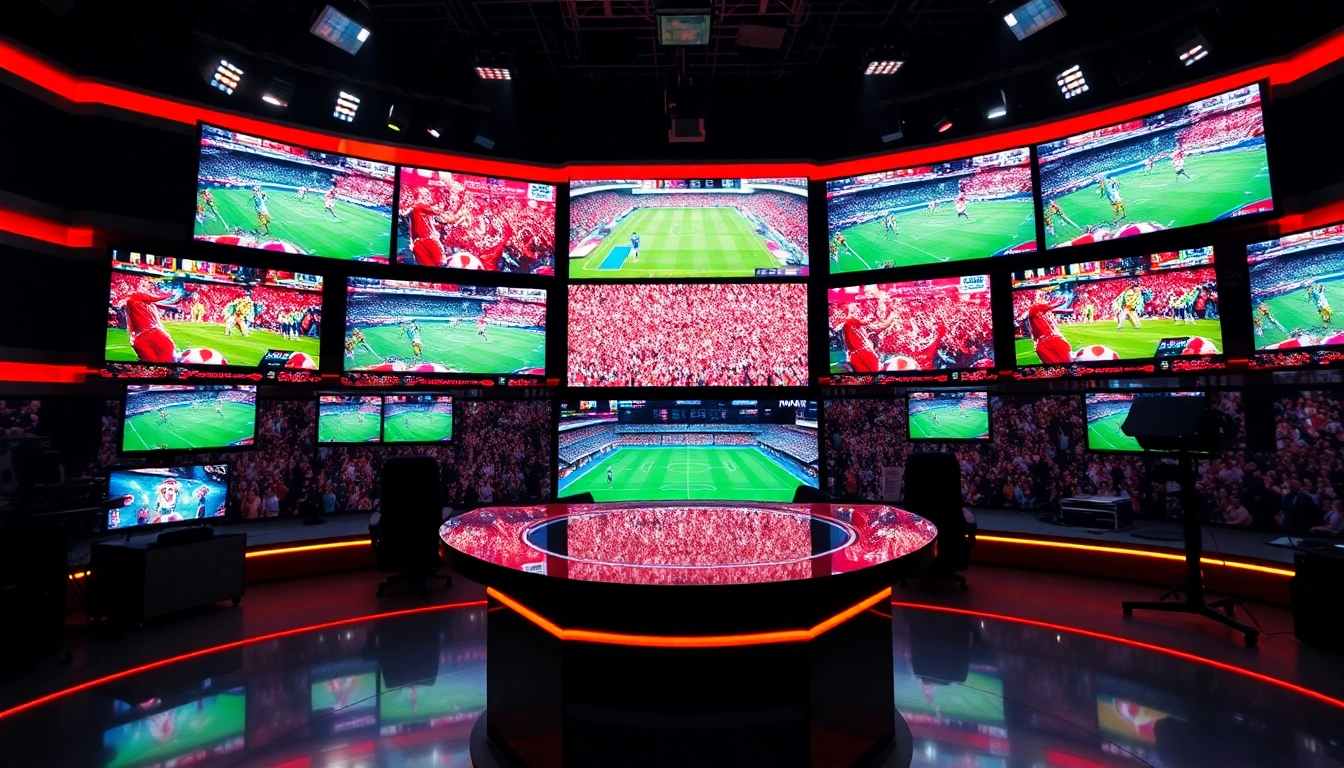
Understanding the Basics of Sports Broadcasting
What is Sports Broadcasting?
Sports Broadcasting encompasses the production and transmission of live and recorded sports events through various media channels. This industry combines elements of journalism, entertainment, and technology to deliver engaging sporting content to a global audience. The rise of digital platforms has revolutionized the way fans consume sports content, leading to an increased interest in Sports Broadcasting and its diverse formats.
History and Evolution of Sports Broadcasting
The origins of sports broadcasting can be traced back to the early 20th century with radio broadcasts, which allowed sports enthusiasts to follow live events from the comfort of their homes. The invention of television in the mid-20th century marked a significant milestone, as it provided a visual experience that enhanced audience engagement. Over the decades, the evolution of cable television and the internet has ushered in a new era, where streaming services and social media platforms have become vital for content distribution. Innovations such as high-definition broadcasting, 4K resolution, and interactive features are continually shaping the future of how audiences engage with sports.
Key Roles in Sports Broadcasting
A successful sports broadcasting operation relies on various key roles, each contributing to the overall production quality. These roles include:
- Producers: Responsible for overseeing the entire production, making critical decisions regarding content, timing, and broadcasting quality.
- Commentators: Provide live commentary and analysis during events, enhancing the audience’s understanding and enjoyment.
- Cameramen: Operate cameras to capture the action from multiple angles, ensuring that viewers get a dynamic viewing experience.
- Editors: Edit footage for highlights, recaps, and promotional content, maintaining brand consistency and engaging storytelling.
- Graphic designers: Create visual elements like overlays and scoreboards that improve viewer experience during broadcasts.
The Technology Behind Sports Broadcasting
Essential Equipment for Sports Broadcasting
Sports broadcasting requires a diverse range of equipment to ensure high-quality production and seamless transmission. Essential tools include:
- Cameras: High-definition cameras are crucial for capturing broadcast-quality footage. Multi-camera setups provide various angles for viewers.
- Audio Equipment: Microphones, mixers, and soundproofing materials are necessary to ensure clear audio, enhancing the viewing experience.
- Lighting: Proper lighting is vital for achieving high-quality visuals, especially in indoor arenas or during night events.
- Editing Software: Post-production software is used to edit footage, create highlights, and produce promotional materials.
- Broadcasting Software: This includes software for streaming live events and managing various production elements simultaneously.
Modern Broadcasting Techniques
With advancements in technology, modern broadcasting techniques have transformed the landscape of sports media. Techniques such as remote production enable teams to cover events without being on-site, reducing costs and expanding access to lower-profile sports. Additionally, data analytics plays a crucial role in audience measurement and targeted advertising, allowing broadcasters to tailor content to viewer preferences. The use of drones and automated cameras has also enriched the viewing experience by providing stunning aerial shots and dynamic perspectives.
Impact of Streaming on Sports Broadcasting
The rise of streaming services has dramatically shifted the traditional broadcasting paradigm. Fans now have access to an unprecedented range of sports content on-demand, disrupting classic viewing habits. This change has led to increased competition among broadcasters to secure exclusive rights to major events while influencing the pricing models used for subscriptions and advertising. Streaming platforms also harness viewer data to create personalized experiences, fostering deeper audience engagement and loyalty.
Content Creation for Sports Broadcasting
How to Craft Engaging Sports Content
Creating engaging content in sports broadcasting is crucial for attracting and retaining viewers. Key strategies include:
- Storytelling: Develop compelling narratives around teams, players, and events to captivate viewers and create emotional connections.
- Highlight Reels: Regularly producing highlight reels of games or specific plays keeps audiences engaged and showcases the most exciting moments.
- Interactivity: Utilize viewer polls, live Q&A sessions, and social media engagements to foster community interaction and make broadcasts more participatory.
- Regular Updates: Consistent coverage of teams and players keeps audiences informed and invested in ongoing narratives.
Utilizing Social Media for Reach
Social media is a powerful tool for enhancing the reach of sports broadcasts. By sharing clips, highlights, and behind-the-scenes content on platforms like Twitter, Instagram, and Facebook, broadcasters can engage fans in real-time and build excitement around upcoming games. Engaging with viewers through comments and live social media events can also enhance brand loyalty and encourage community building.
Incorporating Audience Feedback
Successful sports broadcasters prioritize audience feedback to develop content that resonates with viewers. Surveys, social media interactions, and direct audience engagement during broadcasts help identify viewer preferences and inform future programming decisions. Implementing audience-driven changes can enhance content appeal and encourage more significant participation, thereby improving overall broadcasting outcomes.
Monetization Strategies in Sports Broadcasting
Advertising and Sponsorship Opportunities
Advertising and sponsorships are fundamental revenue streams for sports broadcasters. Strategic partnerships with brands enable cross-promotion and enhance visibility during broadcasts. Utilizing targeted advertising models that focus on specific demographics can maximize profitability, leading to lucrative deals. Moreover, integrating sponsorship messages into the broadcast content seamlessly can strengthen brand relationships while enhancing viewer experience.
Subscription Models in Sports Broadcasting
Subscription models have become increasingly popular in sports broadcasting. Platforms offer tiered subscriptions that provide exclusive access to live events, on-demand content, and ad-free viewing experiences. This model allows for predictable revenue generation while catering to diverse viewer preferences. Additionally, offering pay-per-view options for high-profile events can further boost revenue aside from standard subscriptions.
Merchandising and Revenue Streams
Merchandising represents another revenue stream for sports broadcasters. By partnering with brands to sell team-related merchandise, broadcasters can tap into passionate fan bases for incremental income. In-game promotions and integrated marketing strategies can further enhance merchandising opportunities, thereby cultivating a robust revenue ecosystem around sports broadcasting.
Future Trends in Sports Broadcasting
Emerging Technologies and Innovations
The sports broadcasting landscape is continuously evolving due to emerging technologies. Innovations such as artificial intelligence for content customization, enhanced graphic overlays during broadcasts, and improved data analytics tools are shaping the future. Augmented reality (AR) and virtual reality (VR) technologies will likely create immersive viewing experiences, allowing fans to engage with content in unprecedented ways.
Impact of Virtual Reality and AR
Virtual reality and augmented reality are poised to revolutionize sports broadcasting. These technologies will enable fans to experience games from different perspectives, such as virtually attending live events from their homes. Further, AR can provide real-time stats and insights overlaid onto the live action, enhancing viewer understanding and engagement.
Predicting the Future of Sports Broadcasting
As technology evolves, predictions suggest an increasingly interactive and personalized viewing experience for fans. Innovations in blockchain technology may enhance content rights management and facilitate direct monetization channels between fans and broadcasters. Ultimately, the future of sports broadcasting is likely to prioritize immersive, interactive, and data-driven experiences to engage audiences more effectively.
FAQs
What careers are available in sports broadcasting?
Careers in sports broadcasting include roles such as producers, commentators, camera operators, editors, and graphic designers, each contributing to the production process.
How has streaming changed sports broadcasting?
Streaming has transformed sports broadcasting by providing on-demand access to events, enhancing audience engagement, and reshaping advertising and subscription models.
What technology is used in live sports broadcasts?
Live sports broadcasts utilize high-definition cameras, audio equipment, broadcasting software, and editing tools to deliver quality content to viewers.
How can content creators succeed in sports broadcasting?
Content creators can succeed by focusing on storytelling, audience engagement, utilizing social media, and creating immersive experiences to captivate viewers.
What are the future trends in sports broadcasting?
Future trends include the integration of virtual and augmented reality, artificial intelligence for personalized experiences, and innovations in data analytics and streaming technology.