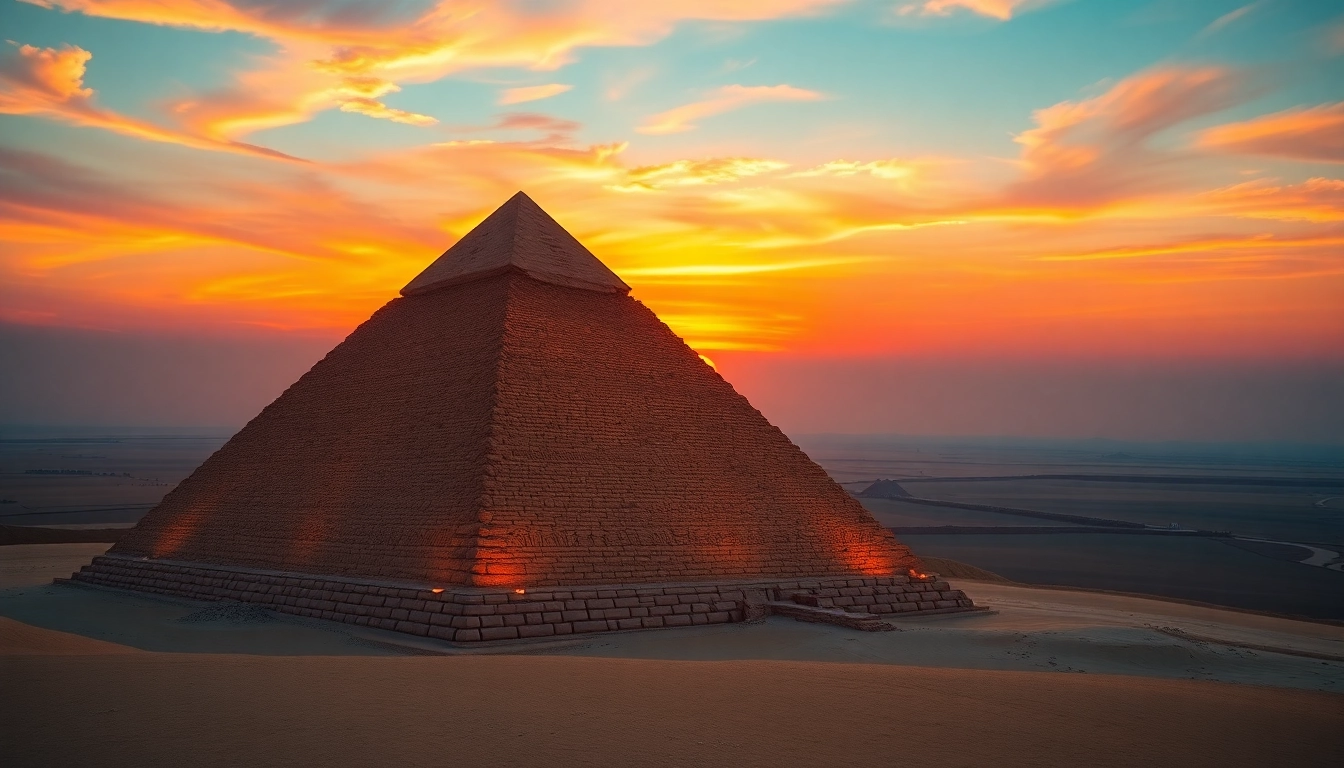
Introduction to Pyramids
Pyramids have fascinated human beings for millennia, serving not only as magnificent architectural feats but also as symbols of cultural significance across civilizations. They stand testament to the sophistication of ancient societies, particularly those of Egypt, where the pyramids were intricately tied to religious beliefs and funerary practices. This article explores the historical significance, construction techniques, symbolism, and modern relevance of these monumental structures, including the Great Pyramid of Giza, one of the most iconic landmarks in the world. If you seek an in-depth exploration into the world of pyramids, you can start your journey at https://piraminds.com/.
The Historical Significance of Pyramids
Historically, pyramids were built primarily as tombs for pharaohs and the elite in ancient Egypt. The belief in the afterlife strongly influenced their structures, as they were designed to facilitate the passage of the deceased into the next realm. The alignment of these structures often reflects celestial patterns, emphasizing their spiritual importance. Beyond their role as tombs, they also served to demonstrate the power and resources of the ruling class, as their construction required vast human labor, materials, and sophisticated engineering practices.
Understanding Pyramid Construction Techniques
The construction of pyramids is one of the greatest mysteries of ancient engineering. Various theories exist regarding the techniques employed, including the use of ramps, levers, and counterweights. The Great Pyramid of Giza, for example, consisted of approximately 2.3 million blocks, each weighing an average of 2.5 tons. Recent discoveries suggest that a series of straight or circular ramps may have been used to transport these massive stones into place. While the exact methods remain a topic of debate, archaeologists continue to uncover evidence that sheds light on these remarkable feats of engineering.
Symbolism and Cultural Importance of Pyramids
Pyramids symbolize the ancient Egyptians' beliefs about the afterlife and the divine. They were designed to represent the rays of the sun, facilitating the king's ascension to the heavens upon death. The pyramid's shape is seen as a reflection of the Egyptian creation myth, where the first mound of earth emerged from the chaotic waters of the Nile. The pyramids, therefore, are not merely tombs, but embodiments of ancient Egyptian worldview, beliefs, and aspirations to achieve immortality.
Deep Dive into the Great Pyramid of Giza
The Great Pyramid of Giza, built around 2580-2560 BCE for Pharaoh Khufu, is the largest of the three pyramids on the Giza Plateau and a UNESCO World Heritage Site. Its grandeur and marvel have secured its place as one of the Seven Wonders of the Ancient World. This section delves into its architectural innovations, the role of the pharaohs, and comparisons with other global pyramids.
Architectural Innovations of Giza
The Great Pyramid showcases numerous architectural innovations that reveal advanced knowledge of mathematics and engineering among the ancient Egyptians. Some notable features include its precise orientation to the cardinal points, the use of corbelled ceilings to create a complex internal layout, and the advanced techniques for quarrying and transporting enormous stone blocks. These innovations set a foundation for later architectural developments across cultures.
The Role of Pharaohs in Pyramid Building
Pharaohs were central figures in the pyramid-building process, often commissioning these monumental structures to ensure their legacy and secure their place in the afterlife. The construction was not just a personal endeavor; it involved entire communities. Workers were organized into teams and provided food, shelter, and medical care, illustrating the pharaoh's role as a leader and caretaker of his subjects. This communal effort reflects the importance of pyramids in sustaining social order and religious practices.
Comparing Giza to Other Pyramids Globally
While the pyramids of Giza are the most recognized, other cultures developed pyramid-like structures with distinct characteristics. The Maya used step pyramids for religious purposes, while the Aztecs built the Pyramid of the Sun, reflecting their unique theological frameworks. Each pyramid teaches us about the civilization that built it, highlighting architectural diversity while underscoring the universal human desire to commemorate, celebrate, and connect with the divine.
Pyramid Mysteries and Theories
Pyramids continue to be shrouded in mystery, giving rise to numerous theories and questions. Scholars and enthusiasts probe the construction methods used, explore esoteric meanings behind these structures, and uncover new findings that reshape our understanding of ancient Egyptian society.
Unsolved Questions About Construction Methods
Despite extensive research, many questions about the construction of pyramids remain unanswered. Theories about ramps, counterbalanced levers, and manpower utilization highlight a rich area of exploration in engineering and archaeology. New discoveries, such as evidence of workers' villages, enrich our understanding of the manpower and social structures behind the pyramids, yet many details remain elusive.
Recent Discoveries and Their Impact
Recent archaeological finds, including unseen voids inside the Great Pyramid and the discovery of previously unknown worker settlements, have sparked renewed interest in pyramid studies. These revelations not only deepen our understanding of how pyramids were built but also provide insight into the lives of the laborers who constructed these magnificent structures. Such discoveries also have implications for our understanding of ancient Egyptian society and its labor systems.
Theories on the Purpose of Pyramids
While many view pyramids primarily as tombs, alternative theories suggest they served astronomical or religious functions as well. Some researchers explore the idea that pyramids were energy-harnessing devices or part of a broader cosmic plan reflecting celestial events. Each theory adds a layer of complexity to our understanding of these ancient marvels, inviting continued inquiry and exploration.
Visiting the Pyramids Today
The Pyramids of Giza attract millions of tourists annually, drawing visitors eager to connect with history and marvel at these architectural wonders. This section will guide you through the best ways to experience the pyramids, from must-see attractions to optimal times for photography and the advantages of guided tours.
Top Tourist Attractions at Giza
In addition to the iconic pyramids, the Giza Plateau houses the Great Sphinx and several smaller pyramids that provide further context to the main attractions. The Sphinx, a limestone statue with a lion's body and human head, serves as a sentinel to the pyramids. Visitors may also explore the Solar Boat Museum, which exhibits an ancient Egyptian vessel thought to carry the pharaoh to the afterlife.
Best Times to Visit for Photography
For photographers, the golden hours of early morning and late afternoon offer the best lighting conditions to capture the pyramids. During these times, the soft light creates dramatic shadows and highlights the textures of the stones. Additionally, visiting during low-traffic times can provide a more intimate experience with fewer onlookers in your shots.
Guided Tours vs. Solo Exploration
Choosing between guided tours and solo exploration often depends on personal preferences and objectives. Guided tours provide expert insights and contextual information that may enhance your understanding of the site. Conversely, exploring on your own offers the flexibility to connect with the pyramids at your own pace. Many visitors opt for a combination, allowing for both structured learning and personal reflection.
FAQs About the Pyramids
What are the dimensions of the Great Pyramid?
The Great Pyramid stands at approximately 481 feet (146.6 meters) originally and measures 756 feet (230.4 meters) on each side. Its base covers about 13 acres, making it the largest pyramid in Egypt.
How many pyramids are there in Egypt?
Egypt is home to over 100 pyramids, with the most famous located on the Giza Plateau. Each pyramid reflects the unique architectural preferences from different periods of Egyptian history.
Who was buried in the Great Pyramid?
The Great Pyramid was built for Pharaoh Khufu (also known as Cheops). It served as his final resting place, and various treasures were entombed alongside him to accompany him in the afterlife.
Why were pyramids built?
Pyramids were built primarily as monumental tombs for pharaohs, designed to honor them in the afterlife and symbolize their divine status. They also represented the power of the pharaoh and the society that built them.
How can I visit the pyramids?
Visiting the pyramids is straightforward, with guided tours available that cover transport and entry fees. Travelers can also opt for self-guided visits, requiring prior planning to ensure access and safe exploration.