The Basics of Sports Broadcasting
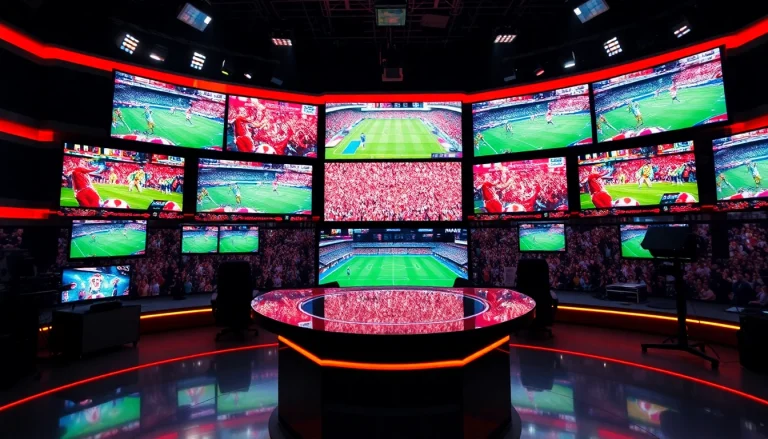
Sports broadcasting has evolved into a multi-faceted industry, integral to the viewing experience of fans worldwide. From its early days of simple radio commentary to today’s sophisticated digital platforms, the landscape has continually transformed. Understanding the compositional aspects of Sports Broadcasting is crucial for anyone interested in becoming a part of this vibrant field. This section delves into the fundamental principles, formats, and roles that shape the broadcasting ecosystem.
Understanding Sports Broadcasting Fundamentals
The essence of sports broadcasting lies in delivering real-time, engaging content to an audience. This encompasses play-by-play commentary, analysis, and coverage of events, providing viewers with a sense of participation. The fundamental components include audio and visual elements that captivate audiences, making them feel integrated with the sports experience. Various platforms—television, radio, and online streaming—each present these elements differently, but they all aim for accuracy, timeliness, and viewer engagement.
Types of Sports Broadcasting Formats
There are several prevalent formats in sports broadcasting.
- Live Broadcasting: This is real-time coverage of sporting events, designed to provide immediate updates to viewers.
- Pre-Game and Post-Game Shows: These segments typically focus on analysis before and after events, offering insights, strategies, and player interviews.
- Highlight Shows: These programs compile significant moments from games, providing summaries and analysis for audiences unable to watch live.
- Podcasts: Audio formats allow for in-depth discussions, interviews, and storytelling, expanding coverage beyond the visual medium.
Key Roles in Sports Broadcasting Teams
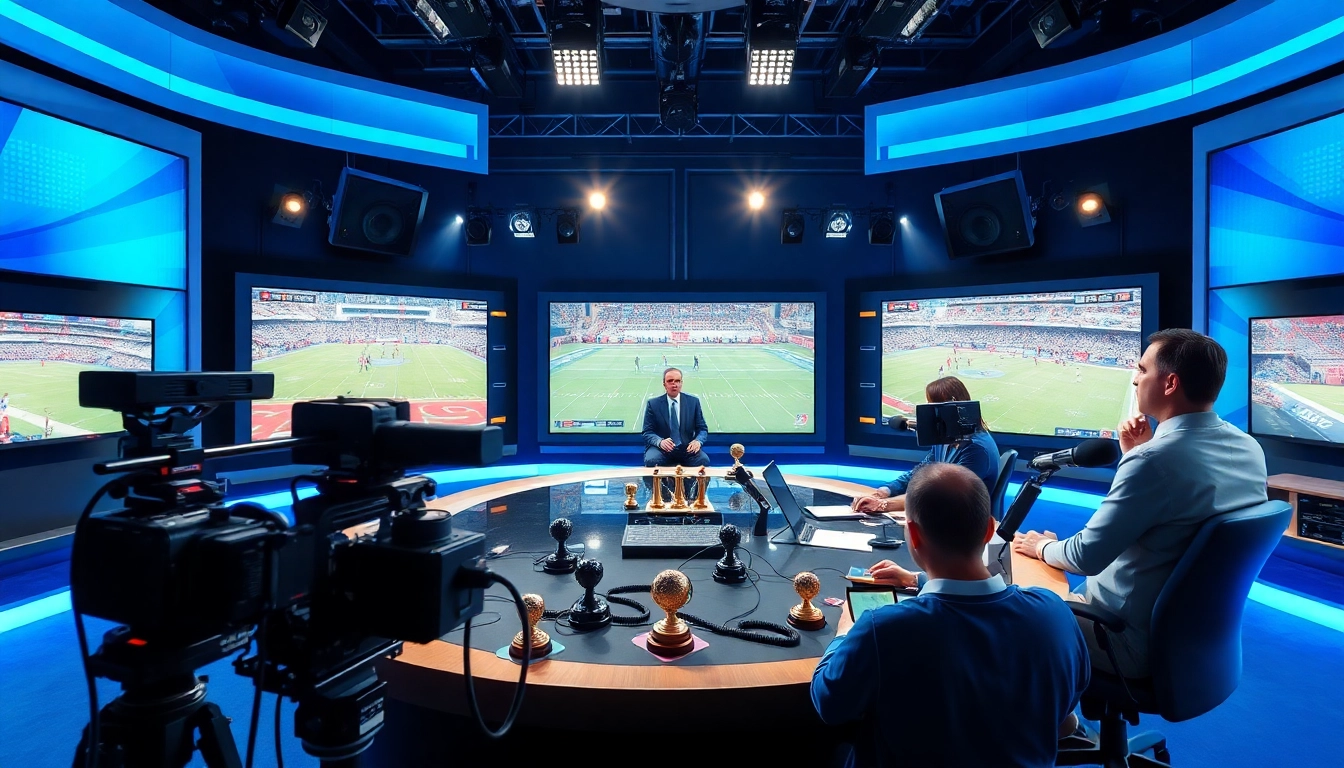
Successful sports broadcasting relies on a coordinated team effort with diverse roles, including:
- Play-by-Play Announcer: Responsible for narrating the event as it unfolds, providing context and excitement.
- Color Commentator: Offers insights, analysis, and background information, enriching the viewing experience.
- Producer: Manages the technical aspects, orchestrating various elements to ensure smooth broadcasting.
- Camera Operators: Capture the action from multiple angles, ensuring dynamic coverage.
- Social Media Manager: Engages with the audience online, enhancing interaction during broadcasts.
Technologies Transforming Sports Broadcasting
The sports broadcasting landscape has been significantly shaped by technology. Innovations have not only improved the production quality but have also enhanced how fans engage with content. In this section, we dive into the critical technologies that are defining the future of sports coverage.
Broadcasting Equipment Essentials
At the foundation of effective sports broadcasting are essential broadcasting tools:
- Cameras: High-definition and 4K cameras enable broadcasters to deliver stunning visuals with clarity.
- Audio Equipment: Quality microphones and sound boards are paramount in capturing crisp commentary and on-field sounds.
- Switchers and Mixers: These tools allow for seamless transitions between video feeds and audio sources during live broadcasts.
- Graphics Software: Helps in creating real-time stats and other visual enhancements that engage viewers.
Emerging Technologies in Sports Broadcasting
Emerging technologies are radically changing how sports are broadcasted. Some key innovations include:
- Virtual Reality (VR): Offers immersive viewing experiences, helping fans feel as though they are on the field.
- Augmented Reality (AR): Enhances broadcasts with real-time stats and graphics overlaying the actual game feed.
- Artificial Intelligence (AI): Analyzes viewer preferences to recommend content, creating a customized viewing experience.
- High-Speed Internet: Fiber-optic and 5G technology are facilitating instantaneous live streaming, enhancing accessibility.
Optimizing Live Streaming for Sports Events
Live streaming is essential in modern sports broadcasting, demanding reliability and high-quality execution. Here are strategies for optimizing live stream:
- Bandwidth Management: Ensure sufficient bandwidth to handle spikes in viewership during key events.
- Multiple Streaming Platforms: Broadcasting on various platforms maximizes reach.
- Viewer Interaction: Incorporate live chats and polls to keep audiences engaged during the broadcast.
- Technical Checks: Regularly test equipment and connectivity to prevent disruptions.
Crafting Engaging Sports Content
Creating engaging content is vital for capturing and retaining an audience in sports broadcasting. It involves not just covering the games but also crafting narratives and experiences that resonate with viewers. This section offers valuable insights into effective content creation.
Storytelling Techniques in Sports Broadcasting
Storytelling is a powerful tool in sports broadcasting, enabling presenters to connect with viewers emotionally. Techniques include:
- Character Development: Build stories around key players, highlighting personal journeys and accomplishments.
- Conflict and Resolution: Focus on rivalries and challenges, creating tension that captivates audiences.
- Use of Anecdotes: Share memorable moments and historical references to add depth to coverage.
- Visual Storytelling: Utilize clips and images to illustrate points, making narratives more relatable.
Interviewing Techniques for Broadcast Success
Interviews are a cornerstone of sports broadcasting, providing insights directly from athletes and coaches. Effective techniques include:
- Preparing Questions: Craft specific and open-ended questions to elicit detailed responses.
- Creating a Comfort Level: Establish rapport with interviewees to encourage genuine answers.
- Active Listening: Pay attention to responses, following up on interesting points for deeper conversations.
- Time Management: Be mindful of time, ensuring that interviews remain engaging and informative.
Visual and Emotional Impact in Sports Coverage
Visual elements play a pivotal role in how sports stories are conveyed. Techniques to enhance emotional impact include:
- Cinematography: Use various camera angles and movements to create dynamic broadcasts.
- Music and Sound Effects: Carefully curated audio enhances emotional engagement.
- Slow Motion Replays: Highlight critical moments, allowing viewers to absorb the emotional weight of the action.
- Graphics and Stats: Present key statistics visually to underscore pivotal points in the game.
Best Practices for Sports Broadcasting
To excel in sports broadcasting, it is essential to establish best practices, ensuring quality and compliance across various broadcasting channels. This section outlines the fundamental protocols that every broadcaster should adhere to.
Preparing for Live Sports Events
Preparation is key to executing successful live broadcasts. Below are essential steps:
- Pre-Event Planning: Develop a detailed broadcast plan, including key storylines, player statistics, and production timelines.
- Logistical Coordination: Ensure all equipment is set up and tested well before the event begins.
- Rehearsals: Conduct dry runs to iron out any potential issues and familiarize the team with the flow of the broadcast.
- Emergency Protocols: Prepare for unforeseen circumstances by having contingency plans in place.
Regulatory Considerations in Sports Broadcasting
Broadcasting must adhere to various laws and regulations, such as:
- Licensing Agreements: Ensure all content is compliant with broadcasting rights and intellectual property laws.
- Content Standards: Abide by guidelines related to decency and fairness, particularly in covering sensitive stories.
- Advertising Regulations: Follow practices governing sponsorship and advertisement placements, maintaining transparency with audiences.
- Accessibility Compliance: Ensure broadcasts are accessible to all audiences, including those with disabilities.
Ensuring Audience Engagement Through Interactivity
Keeping the audience engaged is essential, especially in a competitive landscape. Strategies include:
- Social Media Integration: Actively engage audiences on platforms like Twitter, Instagram, and Facebook during broadcasts.
- Interactive Polls and Q&A: Encourage viewer participation through live polls and Q&A sections to make broadcasts more dynamic.
- Gamification Techniques: Introduce competitions or predictions related to events to enhance viewer investment.
- Content Personalization: Use viewer data to tailor broadcasts to different preferences and interests.
Measuring Success in Sports Broadcasting
Measuring the success of your broadcasting effort is critical for continual improvement. This section highlights key metrics and strategies to gauge effectiveness.
Key Performance Indicators for Sports Broadcasts
The success of sports broadcasts can be evaluated through various KPIs, including:
- Viewership Ratings: Monitor the number of viewers tuning in to assess audience engagement.
- Audience Retention Rates: Analyze how long viewers stay engaged with broadcasts to identify strengths and weaknesses.
- Social Media Interaction: Track shares, comments, and likes related to broadcasts to gauge audience engagement online.
- Feedback Surveys: Conduct surveys pre- and post-broadcast to gather viewer insights on preferences and experiences.
Utilizing Audience Feedback in Broadcast Improvement
Feedback is invaluable for enhancing broadcasts. Effective strategies include:
- Focus Groups: Gather small groups of viewers to discuss their experiences and preferences to improve content.
- Listening to Social Media: Monitor mentions, comments, and trends on social media to capture live audience reactions.
- Post-Event Surveys: Distribute surveys to audiences to collect specific feedback about what worked and what didn’t.
- Iterative Adjustments: Use feedback for continuous improvement, making adjustments for future broadcasts.
Future Trends in Sports Broadcasting Analytics
As technology evolves, so does the potential for analytics to shape sports broadcasting. Key trends include:
- Advanced Viewer Analytics: Leveraging AI to understand viewer behavior and expectations better.
- Real-Time Data Integration: Use of real-time analytics in broadcasts to enhance storytelling through live stats and metrics.
- Predictive Analytics: Implementing data to anticipate which stories might engage viewers based on previous broadcasts.
- Cross-Platform Analysis: Evaluating viewer metrics across various platforms to shape future content strategies.
Frequently Asked Questions about Sports Broadcasting
What is sports broadcasting?
Sports broadcasting refers to the coverage of sports events through television, radio, and digital platforms, providing play-by-play commentary, analysis, and interviews.
What types of content are in sports broadcasting?
Content includes live event coverage, pre-and post-game shows, highlight reels, interviews, and in-depth analysis segments to engage viewers.
What roles are involved in sports broadcasting?
Key roles include play-by-play announcers, color commentators, producers, camera operators, and social media managers, each contributing to the overall broadcast quality.
How can technology improve sports broadcasting?
New technologies such as VR, AR, and AI enhance viewer experiences through immersive coverage, real-time data analysis, and tailored content recommendations.
What metrics should be monitored in sports broadcasting?
Viewership ratings, audience retention, social media engagement, and feedback surveys are critical metrics to evaluate the success of sports broadcasts.
About the Author